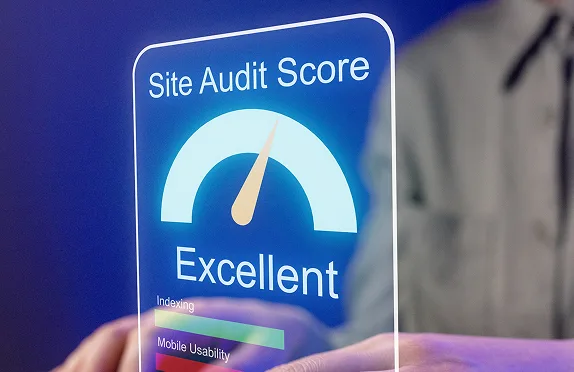
Unified Reporting: Why Agencies Need All Their SEO Data in One Dashboard
Managing search engine visibility data shouldn't feel like solving a puzzle. You check rankings in one tool, traffic in Google Analytics, backlinks in another platform, and keywords somewhere else. Then you spend hours copying numbers into spreadsheets to create client reports. Automation with SEO tools saves time and makes sure everything is on point.
Agency Dashboard
February 09, 2026 · 15 min read
1.5KSHARES
16KREADS
This scattered approach wastes time and creates blind spots in your SEO Strategy. Important patterns hide across different platforms. You miss connections between ranking changes and traffic shifts because the data lives in separate places.
Unified Reporting solves this problem. Instead of jumping between tools, you see all your SEO data in one centralized dashboard. Rankings, traffic, keywords, and performance metrics appear together. The result? Faster insights, cleaner reporting, and smarter optimization decisions.
What is Unified Reporting for SEO?
Unified Reporting means bringing all your SEO data sources into a single dashboard. Instead of logging into five different platforms to check performance, you access everything from one screen.
This approach combines data from rank tracking tools, analytics platforms, search consoles, and backlink monitors. All metrics update automatically in real-time. You spend less time collecting data and more time analyzing what it means.
For agencies managing multiple clients, this consolidation becomes essential. Each client gets their own unified view showing complete SEO performance without the manual work of compiling reports from scattered sources.
Key Features of Unified SEO Reporting
Modern SEO analytics consolidates data from multiple platforms, delivering clear insights, performance tracking, and smarter decisions for scalable digital growth.
Data Consolidation from Multiple Sources:
Your unified dashboard pulls information from every tool in your stack. Keyword rankings, organic search traffic, backlinks, and technical SEO data all appear in one place. No more switching between tabs to see the full picture.
Real-Time Performance Updates:
Metrics refresh automatically throughout the day. When rankings change or traffic spikes, you see it immediately. Real-time data helps you respond quickly to problems and opportunities.
Customizable Performance Views:
Build dashboards that show exactly what matters for each client. E-commerce sites need conversion tracking. Local businesses focus on map rankings. Service companies prioritize lead generation metrics. Customize everything to match specific goals.
Cross-Channel SEO Insights:
See how different SEO efforts work together. Track how content updates affect rankings. Monitor how backlinks influence domain authority. Connect technical fixes to traffic improvements. These relationships become obvious when data lives together.
Automated Client Reporting: Schedule reports to send automatically on your chosen timeline. Weekly, monthly, or quarterly—clients receive professional updates without you building each report manually. White-label options keep your branding front and center.
Why Unified Reporting Matters for Digital Marketers
SEO success depends on seeing connections between different metrics. Unified Reporting transforms how Digital Marketers analyze performance and make decisions.
Faster Strategic Decisions with Complete Data:
Making smart SEO choices requires understanding the full context. According to Search Engine Journal's 2024 SEO Statistics, 61% of marketers say improving SEO and growing organic presence is their top priority. But fragmented data makes this difficult.
When rankings drop, you need to know if traffic also falls or if something else changes. Unified Dashboards show these relationships instantly. You spot problems faster and fix them before they damage results.
Eliminates Manual Reporting Work:
Copying data from multiple tools into spreadsheets wastes 5-10 hours per client monthly. Multiply this across 20 clients and you've lost entire weeks to manual reporting.
Automated unified reporting eliminates this drain. Data flows automatically into branded reports. Your team focuses on analysis and optimization instead of copy-paste work.
Improves Team Collaboration:
When everyone accesses the same dashboard, collaboration becomes seamless. SEO specialists see what content writers published. Account managers track what technical teams fixed. Everyone works from identical data, reducing confusion and miscommunication.
Catches Performance Issues Early:
Real-time monitoring means problems don't hide until the monthly report. Ranking drops trigger alerts. Traffic anomalies show up immediately. Technical errors get flagged as they happen. Early detection prevents small issues from becoming major setbacks.
The Core SEO KPIs to Track in Unified Dashboards
Effective unified reporting focuses on SEO Metrics that actually impact results. Here are the key performance indicators every dashboard should include.
Keyword Rankings and Movement:
Track where your target keywords rank across search engines. Monitor daily changes to catch both wins and losses quickly. Group keywords by priority—branded terms, commercial intent, informational content—to see performance by category. Position improvements mean your optimization works. Sudden drops signal problems needing immediate attention. Historical tracking shows long-term progress and seasonal patterns.
Organic Traffic Patterns:
Organic search traffic reveals how many people find your site through search engines. Break this down by landing page, device type, and geographic location. Watch for traffic trends that match ranking changes. Growing traffic with stable rankings means better click-through rates. Falling traffic despite good rankings indicates search intent shifts or SERP feature changes.
Click-Through Rate Performance:
CTR shows how often people click on your listing after seeing it in search results. Low CTR with high rankings means weak titles and descriptions need improvement. Compare your CTR to industry benchmarks. A SEO analysis tools review helps identify pages underperforming their ranking position. Small title tag tweaks often boost clicks significantly.
Backlink Profile Growth:
Quality backlinks remain crucial for SEO success. Track new links acquired, lost links, and changes in referring domain authority. Monitor anchor text distribution to ensure natural link profiles. Sudden spikes in low-quality links might indicate negative SEO attacks requiring cleanup.
Technical SEO Health Scores:
Site speed, mobile usability, crawl errors, and indexing issues all affect rankings. Your website SEO tool should flag technical problems before they hurt performance. Track Core Web Vitals scores. Page experience signals correlate with higher rankings. Fast, mobile-friendly sites tend to perform better in search results.
The Common Use Cases for Unified SEO Reporting
Different businesses benefit from unified reporting in specific ways. Here's how various organizations apply this approach.
Digital Marketing Agencies Managing Multiple Clients:
Agencies juggle dozens of client accounts across different industries. Unified reporting lets teams monitor all accounts from one dashboard. Switch between clients with a single click. Spot which accounts need attention and which ones are cruising.
E-Commerce Businesses Tracking Product Rankings:
Online stores need product-level SEO tracking. Which products rank for buying keywords? How do category pages perform? What drives the most qualified traffic?
Unified dashboards show product performance alongside conversion data. You identify which SEO efforts directly impact revenue and prioritize accordingly.
Local Service Businesses Monitoring Map Rankings:
Plumbers, lawyers, and restaurants compete in local search and Google Maps. They need to track rankings by neighborhood, review metrics, and direction requests.
A web SEO tool that unifies local SEO data shows complete geographic performance. See which areas drive calls and which locations need more attention.
Enterprise Companies Coordinating SEO Across Departments:
Large organizations often have content teams, technical teams, and marketing teams all affecting SEO. Unified reporting gives everyone a shared visibility.
Content teams see how their articles rank. Developers track technical health. Marketing monitors overall performance. Everyone contributes to the same SEO efforts without working in silos.
Building Your SEO Strategy Around Unified Data
Unified reporting doesn't just organize data. It transforms how you approach SEO planning and execution.
Identify Quick Win Opportunities:
Your unified dashboard reveals keywords ranking positions 4-10. These represent quick wins. Small optimizations often push them into the top three positions where click-through rates jump dramatically.
Filter for high-impression, low-click keywords. These show search visibility without traffic payoff. Improving titles and meta descriptions boosts clicks without requiring better rankings.
Measure Campaign Impact Accurately:
Before launching optimization campaigns, snapshot your current metrics. After 30-60 days, compare performance using the same unified view.
This before-and-after comparison proves which tactics work. Content refreshes that boost rankings show clear cause and effect. Technical fixes that improve crawl efficiency demonstrate measurable value.
Prioritize SEO Investments by ROI:
Not all SEO work delivers equal returns. Unified reporting shows which efforts generate the best results relative to time invested.
If blog content consistently ranks but never converts, redirect resources to commercial pages. When local search engine results drive leads while national rankings languish, double down on local optimization.
Share Insights Across Stakeholders:
Sales teams need to know which keywords bring qualified leads. Product teams benefit from search trend data. Executives want revenue attribution from organic channels.
Unified dashboards give each stakeholder relevant views of the same data. Everyone makes informed decisions based on accurate, current information.
Avoiding Common Unified Reporting Mistakes
Even with the best SEO tools, agencies make mistakes that undermine unified reporting effectiveness.
Tracking Too Many Metrics:
More data doesn't mean better insights. Dashboards cluttered with 50 metrics overwhelm users. Focus on 10-15 key performance indicators that directly impact goals.
Remove vanity metrics that look good but don't drive action. Impressions matter less than clicks. Rankings mean nothing without traffic and conversions.
Ignoring Data Quality Issues:
Unified reporting only works with accurate data sources. Broken integrations, outdated API connections, and incorrect tracking setups create false insights.
Audit your data sources quarterly. Verify that website SEO tools connect properly. Check that tracking codes fire correctly. Bad data leads to bad decisions.
Setting Up Once and Forgetting:
Business goals change. New competitors emerge. Algorithm updates shift the landscape. Your unified reporting should evolve accordingly. Review dashboards monthly. Add new metrics when launching initiatives.
Remove outdated KPIs that no longer align with objectives. Keep reports relevant to current priorities.
Skipping the Human Analysis:
Automation handles data collection, but humans provide interpretation. Numbers without context miss the story.
Schedule regular review sessions. Discuss what changed and why. Connect data points to actual business events. Document insights so knowledge compounds over time.
Why Unified Reporting is a Game-Changer for SEO
Unified reporting platforms turn scattered SEO data into a single source of truth. This consolidation accelerates insights, streamlines operations, and drives more effective optimization.
Unified systems reveal the full picture immediately. You see how rankings affect traffic, how traffic influences conversions, and how technical health supports everything. These connections inform smarter SEO Strategy and faster problem resolution.
For agencies, unified reporting separates leaders from followers. Agencies delivering unified reports demonstrate sophistication and efficiency. Clients appreciate clear, consolidated insights over fragmented data dumps.
Start Consolidating Your SEO Data Today
Managing SEO across multiple tools and platforms holds your agency back. Hours spent compiling reports could go toward actual optimization. Scattered data creates gaps in understanding and missed opportunities.
Unified Reporting solves these problems. Consolidate rankings, traffic, backlinks, and technical metrics into one dashboard. Automate report generation and delivery. Give your team and clients instant access to current performance data.
The shift from fragmented to unified reporting pays for itself within weeks. Your team reclaims 15-20 hours monthly per client. Reports improve quality and consistency. Most importantly, you make better SEO decisions based on complete, connected data.
Stop managing SEO in silos. Modern SEO ranking tool platforms make unified reporting accessible to agencies of all sizes. Your competitors already work this way. Every day you wait gives them an advantage in efficiency and insight quality.
Take control of your SEO data with Agency Dashboard. Implement unified reporting this month and transform how your agency delivers results.
Frequently Asked Questions
Unified reporting consolidates data from multiple SEO sources into one dashboard. It combines rankings, traffic, backlinks, and technical metrics for complete performance visibility.
Agencies manage multiple clients across different tools. Unified reporting eliminates manual data compilation, saves hours weekly, and delivers consistent professional reports to clients.
Essential metrics include keyword rankings, organic traffic, click-through rates, backlink growth, Core Web Vitals, and conversion data. Focus on metrics that impact goals.
Automated data collection and report generation eliminate manual copying from multiple tools. Agencies save 15-20 hours monthly per client on reporting tasks.
Yes, unified dashboards track local rankings, map visibility, review metrics, and geographic performance data. All local SEO metrics appear alongside organic rankings.
Delete Projects/Keywords to downgrade your subscription.
Are you sure, you want to downgrade?
Start For Free
Verify Your Email
All-In-One Reporting Platform for Agencies
Welcome Back ! Please Login to your account to continue
All-In-One Reporting Platform for Agencies
Please enter your email address below
Agency Dashboard uses cookies and similar technologies to ensure website security, functionality, performance analysis, and service improvement. Essential cookies are required for the operation of the website and cannot be disabled. Non-essential cookies are used only with your explicit consent, in accordance with GDPR and applicable data protection laws. We are committed to safeguarding personal data, including PII and, where applicable, ePHI, in alignment with ISO 27001 and SOC 2 Type II standards. Your consent is securely recorded for audit purposes, and you may modify or withdraw your preferences at any time via Cookie Settings or our Privacy Policy.