A strong White Label SEO Report is the single most important document between your agency and your client. It shows results under your brand, removes confusion about what SEO actually delivered, and builds the kind of trust that makes clients stay for years — not months. Agencies that send clear, consistent, White Label SEO Reports every month retain clients at nearly double the rate of agencies that do not. This post covers exactly what to put in them, how to structure them, and which tools make it fast.
Most agency clients do not understand SEO. They hired you because they do not understand it. So when you send them a spreadsheet full of domain ratings, crawl errors, and anchor text ratios, you are not showing them value — you are showing them a wall of words they cannot translate into money.
The agencies that keep clients for three, four, five years are not the ones doing the most complex SEO work. They are the ones who communicate results better than everyone else. That communication lives inside a White Label SEO Report — a clean, branded document delivered monthly that connects SEO activity directly to business outcomes.
This post breaks down exactly what makes a reporting system work for an agency — what to include, how to structure it, what to cut, and how to automate the whole thing so you spend time on strategy instead of copy-pasting data into PDFs every month.
What Is a White Label SEO Report?
A fully branded SEO performance document that an agency delivers to clients under its own logo, domain, and color scheme — with no mention of the software platform behind it. The client sees only the agency's brand. The platform stays invisible.
This matters because perception shapes trust. When a client receives a polished, branded document every month that shows keyword movement, traffic trends, audit health, and campaign progress, they associate that quality with your agency — not with a tool you pay for. You become the expert. The report becomes your proof of value.
A proper White Label SEO reporting setup does three things at once: it automates data collection from sources like Google Search Console and Google Analytics, it formats that data into a readable narrative, and it delivers it under your brand on your schedule — daily, weekly, or monthly.
Why Branded Reports Change Client Retention
Client churn in agencies almost never happens because the SEO work was bad. It happens because the client stopped believing the work was happening at all. Invisible effort gets cancelled. Visible effort gets renewed.
A White Label SEO Agency that sends a clean, branded, monthly report solves this problem at the root. The report becomes the rhythm of the relationship. Clients look forward to it. It starts conversations about next steps instead of conversations about cancellation.
There is a second benefit that agencies often underestimate: white label reporting makes your agency look larger than it is. When a five-person agency sends a beautiful, data-rich performance report under its own brand, it carries the same credibility as a fifty-person firm. That is the power of SEO White Label infrastructure done right.
"Your clients do not fire you because your rankings dropped. They fire you because they stopped trusting that you were doing anything. A branded monthly report is the cheapest trust machine you will ever build."
What Every Strong White Label SEO Report Includes
Most agencies over-report technical data and under-report business impact. A client who runs a dental practice does not need a backlink profile breakdown. They need to know whether more people found them on Google this month and whether those people became patients. Build your reporting structure around outcomes first, supporting data second.
The Seven Sections That Belong in Every Report
| Report Section | What It Shows | Why Clients Care | Data Source |
|---|---|---|---|
| Executive Summary | Month-over-month narrative in plain language | Non-technical clients read only this section | Agency-written, auto-populated metrics |
| Keyword Rankings | Position changes for tracked terms, winners and drops | Shows movement toward agreed SEO goals | Rank Tracker + Google Search Console |
| Organic Traffic Trends | Sessions, users, pages/session from organic channel | Directly connects SEO to website visits | Google Analytics / Search Console |
| Site Health / Audit Status | Resolved issues, new issues, health score trend | Shows proactive maintenance work happening | Website Audit Tool |
| Backlink Activity | New links earned, lost links, domain growth | Authority-building is visible and tangible | Backlink Monitoring Tool |
| Local SEO Visibility | Map pack presence, GBP calls, direction requests | Essential for location-based businesses | Google My Business data |
| Next Month Plan | Priorities, campaign focus, expected outcomes | Clients feel like partners, not bystanders | Agency strategy section |
Old Reporting vs. Modern White Label Reporting
Agencies that built their reporting systems five years ago are doing twice the work for half the impact. Here is how the two approaches compare across every dimension that matters.
| Dimension | Old Approach | Modern White Label Approach |
|---|---|---|
| Branding | Third-party tool logo visible to client | 100% agency brand, zero tool references |
| Data collection | Manual copy-paste from multiple platforms | Automated pull from GSC, GA, rank tracker |
| Delivery | PDF emailed manually each month | Auto-scheduled delivery by email or portal |
| Format | Spreadsheet or static PDF | Visual dashboard + downloadable PDF |
| Local SEO data | Rarely included | GBP metrics, map pack rankings included |
| Client access | None between reports | Live branded portal, 24/7 client access |
| Time cost per report | 3–6 hours per client, per month | 15–30 minutes setup, then automated |
| Scalability | Bottleneck at 8–10 clients | Scales to 50+ clients with same team |
Agency Dashboard: The White Label SEO Reporting Tool Built for Agencies
Agency Dashboard is built from the ground up as a White Label SEO Company solution — meaning every report, every dashboard, and every client-facing view carries your agency's brand with zero trace of the underlying platform. It combines rank tracking, site auditing, backlink monitoring, local SEO data, and automated report delivery in one place, replacing the four or five disconnected tools most agencies currently pay for separately.
What separates it from generic reporting tools is the depth of the white labeling. Your domain. Your logo. Your colors. Your client portal URL. Clients log in and see your agency — not a software company.
Full Feature Set
What to Expect?
- True white label — no Agency Dashboard branding visible
- All data sources in one platform, no third-party connectors
- Automated reports free up hours per client per month
- Scales from 5 clients to 500+ without extra staff
- Local SEO and GBP data built in natively
- Client portal included at no extra tier cost
Keep In Mind
- Best suited for agencies managing 5+ clients
- Initial setup requires 30–60 minutes per client
- API access reserved for higher-tier plans
"We cut our reporting time from 20 hours a month to under 3. Every client report goes out automatically under our brand. That time goes back into actual SEO work."
5-Phase Reporting Strategy for Agencies That Want to Scale
Set Up Your White Label SEO Software Environment
Start by connecting your data sources inside your White Label SEO Software platform. Connect Google Search Console, Google Analytics, and your rank tracker for every client. Upload your agency logo, set your color palette, and configure the client portal URL. This is a one-time setup that pays back every month in hours saved. Do this for all active clients before you touch report templates.
Build a Report Template That Matches Your SEO Service Tiers
Not all clients need the same report. A local SEO White Label client running a dental practice needs map pack data and GBP metrics front and center. An e-commerce client needs organic revenue attribution and category-level keyword ranking. Build two or three base templates inside your White Label SEO for Agencies platform and apply them to the right client type. Customizing from templates is fast; building from scratch every month is not.
Automate Delivery Schedules and Client Portal Access
Set every client report to auto-deliver on a fixed schedule — typically the first or second business day of each month. Use your White Label SEO Dashboard to give clients a live portal login where they can check their data between reports. Clients who can see live data ask fewer "where are we?" questions and feel more confident in the relationship between monthly touchpoints.
Run a Monthly White Label SEO Audit for Every Client
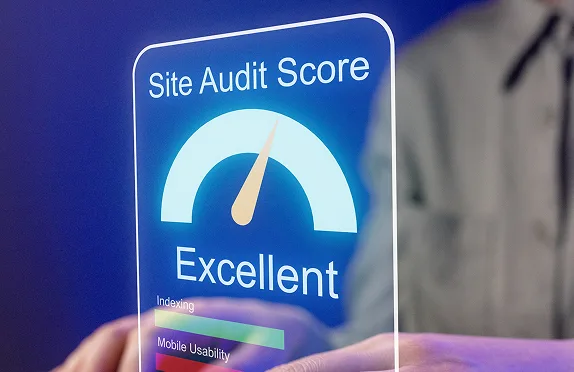
Pair every performance report with a health check using your White Label SEO Audit Tool. Show clients the issue count trend over time — the number should go down every month as your team resolves technical problems. This single metric communicates ongoing, proactive work better than any written paragraph. A declining issue count is visible proof that your White Label SEO service is working in the background every week.
Use Reports as Sales and Retention Conversations
A White Label SEO Report is not just a deliverable — it is a conversation starter. The best agencies schedule a 20-minute monthly review call tied to the report. The report provides the data; the call provides the context. Clients who talk to their agency monthly churn at a fraction of the rate of clients who only hear from the agency when there is a problem. Use your White Label SEO Marketing system to track which clients are due for calls and which reports are unopened.
White Label SEO Platform Comparison: What to Look For
Not every platform that calls itself a best White Label SEO solution delivers the same depth of white labeling or the same range of data sources. Here is how the key criteria break down so you can evaluate your options clearly.
| Feature | Must Have | Agency Dashboard | Basic Alternatives |
|---|---|---|---|
| Full white label branding | ✓ Critical | ✓ Full | ⚠ Partial |
| Custom client portal URL | ✓ Important | ✓ Included | ✗ Paid add-on |
| Rank tracking (desktop + mobile) | ✓ Critical | ✓ Both | ⚠ Desktop only |
| Site audit with health scoring | ✓ Important | ✓ Built in | ⚠ Separate tool |
| Local SEO / GBP data | ✓ For local | ✓ Native | ✗ Not included |
| Google Search Console integration | ✓ Critical | ✓ Direct | ⚠ Limited data |
| PPC / Google Ads reporting | ⚠ Full-service | ✓ Included | ✗ Separate plan |
| Automated report delivery | ✓ Critical | ✓ Daily/weekly/monthly | ⚠ Manual export |
| Multi-client management | ✓ Critical | ✓ Unlimited clients | ⚠ Per-client pricing |
| SEO Tools White Label (all-in-one) | ✓ For scale | ✓ Full suite | ✗ Fragmented |
What Makes a Strong White Label SEO Partner?
Choosing the right White Label SEO Partner is not just about features — it is about reliability. Your clients trust you with their marketing performance data. The platform behind you needs to be stable, accurate, and continuously improving. Look for a platform that pulls data directly from Google's official APIs rather than third-party data resellers, offers transparent data update frequencies, and provides real support when something breaks. A platform that goes down on reporting day is not a minor inconvenience — it is a client trust problem.
Agencies looking at White Label SEO Reseller arrangements should also check whether the platform allows them to sub-brand dashboards for clients who want to share access with their own internal teams. A truly white-labeled environment means the client can log in, share their portal with a colleague, and never encounter the name of the underlying software at any point in that experience.
Local Agencies Have Different Reporting Needs
If your agency serves brick-and-mortar businesses, restaurants, law firms, or any location-based client, standard SEO reporting misses the most important data. Local SEO White Label reporting means your report surfaces map pack rankings for city-level keywords, Google Business Profile call volumes, direction request counts, and review velocity — the metrics that actually tell a local business owner whether SEO is putting more customers through their door. Generic national-level traffic data means nothing to a dentist in Chicago who wants to know if people on the north side are finding them on Google Maps.
Platforms built with a strong SEO Agency White Label infrastructure include local data natively, not as a bolt-on. That is the difference between a reporting tool that works for every agency and one that works only for enterprise-level national campaigns.
For agencies exploring White Label SEO Programs — where you resell SEO services to other agencies under your brand — the reporting layer is even more critical. The end client is two steps removed from the team doing the work, so the report has to carry even more of the communication weight. Crystal-clear data, strong branding, and an automated delivery cadence are non-negotiable.
The SEO White Label market has matured significantly. Agencies no longer have to choose between affordable and professional — the best platforms now offer enterprise-grade branding at pricing that works for growing agencies. The question is not whether to use a white label reporting system. The question is which one fits your client mix, your team size, and how you want to grow.
For agencies that focus heavily on content and on-page optimization, White Label SEO Tools like built-in content graders, meta tag generators, and keyword research modules inside the same platform mean your team never has to leave the dashboard to do the work the report is measuring. That continuity — from research to execution to reporting — is where the best agencies find their competitive edge.
The White Label SEO Marketing conversation has also shifted. Clients are more sophisticated than they were five years ago. They have seen enough reporting to know the difference between an agency sending vanity metrics and one sending data tied to revenue. Your SEO Agency White Label reporting system needs to speak the language of outcomes, not just activity.
Your Reports Should Work as Hard as Your Team Does
Agency Dashboard gives you fully branded reports, automated delivery, live client portals, and every data source you need — under your logo, on your domain, with no mention of the tool behind it. Set it up once. Let it run every month.
Start Free Trial → See White Label FeaturesFrequently Asked Questions
A White Label SEO Report is a fully branded SEO performance document that an agency delivers to clients under its own logo and brand identity — with no mention of the reporting software behind it. It covers keyword rankings, organic traffic trends, site audit health, backlink activity, local SEO metrics, and a forward-looking plan section. The agency looks like the expert data provider; the underlying platform stays completely invisible. This is standard, ethical practice across the agency industry.
A White Label SEO Reporting Tool increases client retention by making SEO progress visible, consistent, and tied to your agency's brand every single month. Clients who receive professional, branded performance reports feel their investment is being tracked and managed. Agencies that only communicate through ad-hoc emails or quarterly check-ins leave clients guessing whether the work is happening — and clients who are unsure about value cancel. A consistent monthly report removes that uncertainty permanently.
Every strong report should include an executive summary in plain language, keyword ranking changes, organic traffic trends, website health scores from a site audit, backlink growth data, and a next-month action plan. For clients in location-based industries, local SEO data from Google Business Profile — map pack rankings, call volumes, direction requests — belongs in the report as well. The format should be readable by a non-technical business owner in under five minutes, with supporting technical data available further down for those who want to dig in.
Yes — most White Label SEO Programs today offer tiered pricing that makes them accessible for agencies managing five to twenty clients. The key is choosing a platform that bundles rank tracking, auditing, and automated report delivery together rather than subscribing separately to each. A single all-in-one platform almost always costs less per client than assembling four disconnected free tools and paying with time every month instead of money.
A White Label SEO Platform is the full software environment — rank tracking, auditing, reporting, and client management all in one system. A White Label SEO Dashboard is the live, interactive view of that data that clients or account managers access in real time. The dashboard is one component inside the larger platform. The best setups give agencies both: a full platform for internal use and a branded client-facing dashboard that clients can log into between monthly reports to check their own performance whenever they want.
Local SEO reporting focuses on location-specific metrics that standard organic reports miss entirely — Google Business Profile visibility, map pack rankings for city-level keywords, call volumes, direction requests, and review growth. A dentist in Chicago does not care about national impressions. They care whether people searching "dentist near me" on Google Maps are finding their practice. A proper local SEO reporting setup pulls GBP data automatically and presents it in the context of the client's city, neighborhood, and target services.
Yes — this is standard, accepted industry practice and what white label licensing is explicitly designed for. Agencies pay for the tool and present the output under their brand, just as a restaurant uses commercial suppliers without listing them on the menu. Clients hire agencies for results and expertise. They do not need — or expect — a list of every software vendor the agency uses internally. Transparency about SEO methodology and strategy is excellent practice; disclosing proprietary tooling is not required or expected.

Table of Contents
Recent Posts

Uptime Monitoring: Why Every Agency and Business Needs It in 2026

How to Write SEO Blog Posts That Rank and Boost Organic Rankings
SEO Content Grader: How to Score Content Before It Goes Live